
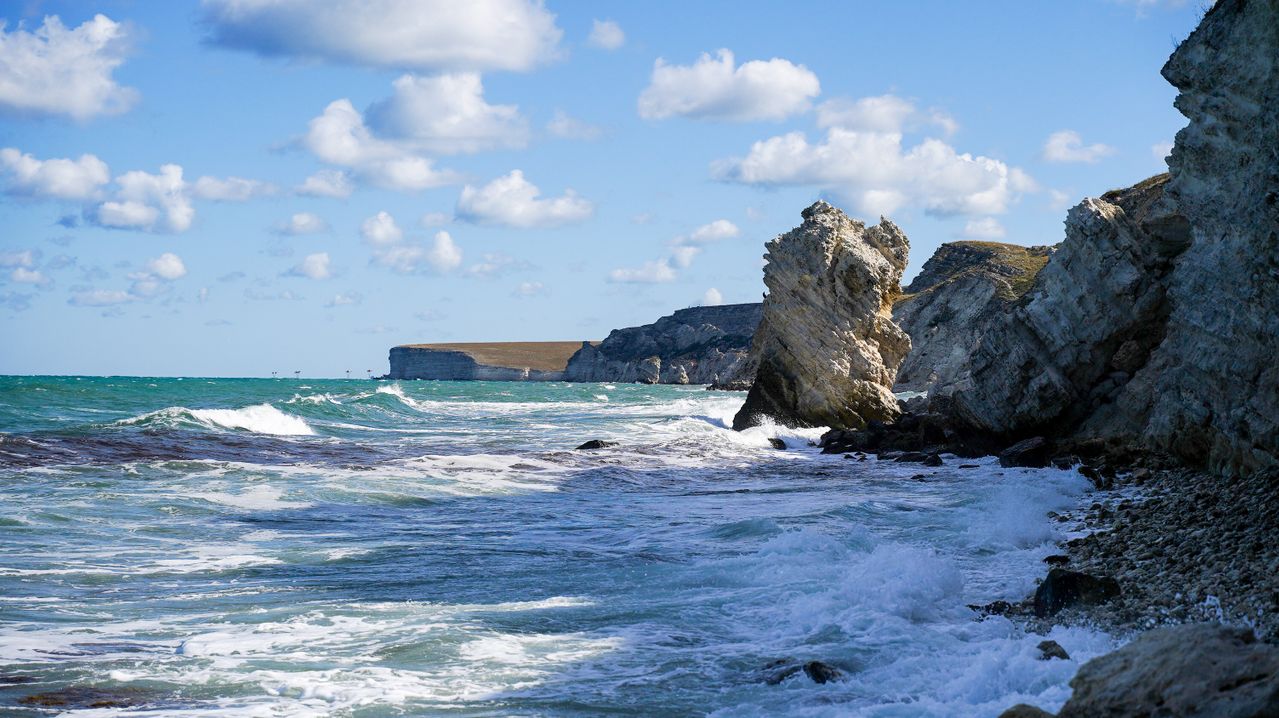
Scattering ashes at sea is legal in the UK and does not require a licence. The main guidance is straightforward: choose a quiet location away from bathing beaches, harbours, marinas and shellfish beds, scatter the ashes loosely or use a fully biodegradable urn, and remove any non-biodegradable items beforehand. Many families travel a short distance offshore by boat for a calm, private farewell, though scattering from a quiet stretch of shore is equally permitted.
The sea holds a powerful pull for many people, and a farewell on the water can feel both peaceful and fitting. Whether your loved one was a sailor, a swimmer, or simply drawn to the coast, scattering ashes at sea offers a gentle and enduring tribute. This guide explains the law, the practical steps, how to choose a biodegradable urn, and how to plan a dignified ceremony – so the day can unfold calmly and without worry.
Is scattering ashes at sea legal in the UK?
Yes. Scattering ashes at sea is legal across the UK and, unlike burial at sea, does not require a licence or permit. Human ashes are not classed as a pollutant, and individual scattering ceremonies are considered to have no meaningful impact on the marine environment. You are free to plan a sea farewell without applying to any authority.
Good to know: Scattering ashes is quite different from burial at sea, which involves an intact body and is licensed by the Marine Management Organisation. Scattering loose ashes carries no such requirement.
The guidance to follow
While no licence is needed, a little care keeps the ceremony respectful to the environment and to others. The accepted good practice is simple.
- Choose a location away from bathing beaches, harbours, marinas and shellfish beds
- Scatter the ashes loosely onto the water, or use a fully biodegradable urn
- Remove any non-biodegradable items – plastic, ribbon or metal – beforehand
- Avoid casting wreaths or tributes containing plastic or wire into the sea
- Check the wind and tide, and scatter with the wind behind you
If you are scattering from a privately owned beach, remember that access may require the landowner’s permission, as the foreshore between high and low water is generally Crown property.
Two ways to scatter at sea
There are two common approaches, and the right one depends on what feels meaningful and practical for your family.
| Approach | What it involves | Often chosen when |
|---|---|---|
| From a boat | Travelling a short distance offshore for a private ceremony | You want seclusion and a true open-water farewell |
| From the shore | Scattering from a quiet beach, headland or pier at low tide | A boat is impractical, or a particular shoreline held meaning |
Scattering from a boat
A boat allows a calm, secluded ceremony on the open water. Some families use their own or a friend’s vessel; others charter a boat with a skipper experienced in memorial trips. Travelling a short way out keeps the ceremony private and ensures the ashes are well clear of the shore and bathers.
Scattering from the shore
If a boat is not practical, a quiet beach or headland at low tide can be equally fitting. Choose a calm day, stand with the wind behind you, and release the ashes close to the water’s surface so they are carried gently out by the tide.
Key takeaway: Whether from a boat or the shore, the essentials are the same – a quiet spot away from bathers and harbours, a biodegradable vessel, and an eye on the wind and tide.
Choosing a biodegradable scattering urn
When ashes are to be placed into the water rather than scattered loose, the container must be fully biodegradable so that it dissolves naturally without harming the sea. Purpose-made water urns are designed to float briefly, then sink gracefully and break down over time, allowing the family a moment of reflection as the urn drifts away.
- Made from materials that break down harmlessly in water, such as salt, paper or plant fibre
- Designed to float for a short time before gently sinking
- Available in dignified forms, often with space for petals or a personal note
- An ideal choice where a visible, ceremonial release is wished for
Our biodegradable scattering urns are made for exactly this kind of farewell. If you would prefer to scatter the ashes loose, a simple scattering tube or urn with a controlled opening makes the moment easier to manage.
Planning the ceremony
A sea farewell can be as simple or as structured as you wish. A little preparation helps the moment feel calm and meaningful.
- Choose a date and check the weather, wind and tide times in advance
- Decide between a boat or the shore, and arrange any charter early
- Prepare a few words, a reading, or a favourite piece of music
- Consider biodegradable petals or flowers to scatter alongside the ashes
- Allow a quiet moment afterwards to watch the water and reflect
For gentle suggestions on words for the moment, see our guide on what to say when scattering ashes. If you are still weighing where a sea farewell sits among the options, our wider guide on where you can scatter ashes in the UK sets out the full picture.
Key takeaway: A sea scattering needs no licence and little more than a calm day, a biodegradable urn and a few chosen words. The simplicity is part of its peace.
Frequently asked questions
Do you need a licence to scatter ashes at sea in the UK?
No. Scattering ashes at sea is legal and requires no licence or permit. This is different from burial at sea, which is licensed separately by the Marine Management Organisation.
Can you scatter ashes from a beach?
Yes. You may scatter from a quiet stretch of shore, ideally at low tide and with the wind behind you. If the beach is privately owned, access may require the landowner’s permission.
What kind of urn should you use for sea scattering?
Use a fully biodegradable water urn if you wish to place a container into the sea, or a simple scattering tube to release the ashes loose. Never place a non-biodegradable container into the water.
How far out to sea should you scatter ashes?
There is no fixed distance, but you should keep well clear of bathing beaches, harbours, marinas and shellfish beds. Travelling a short way offshore by boat ensures the ceremony is private and the ashes are well clear of the shore.