
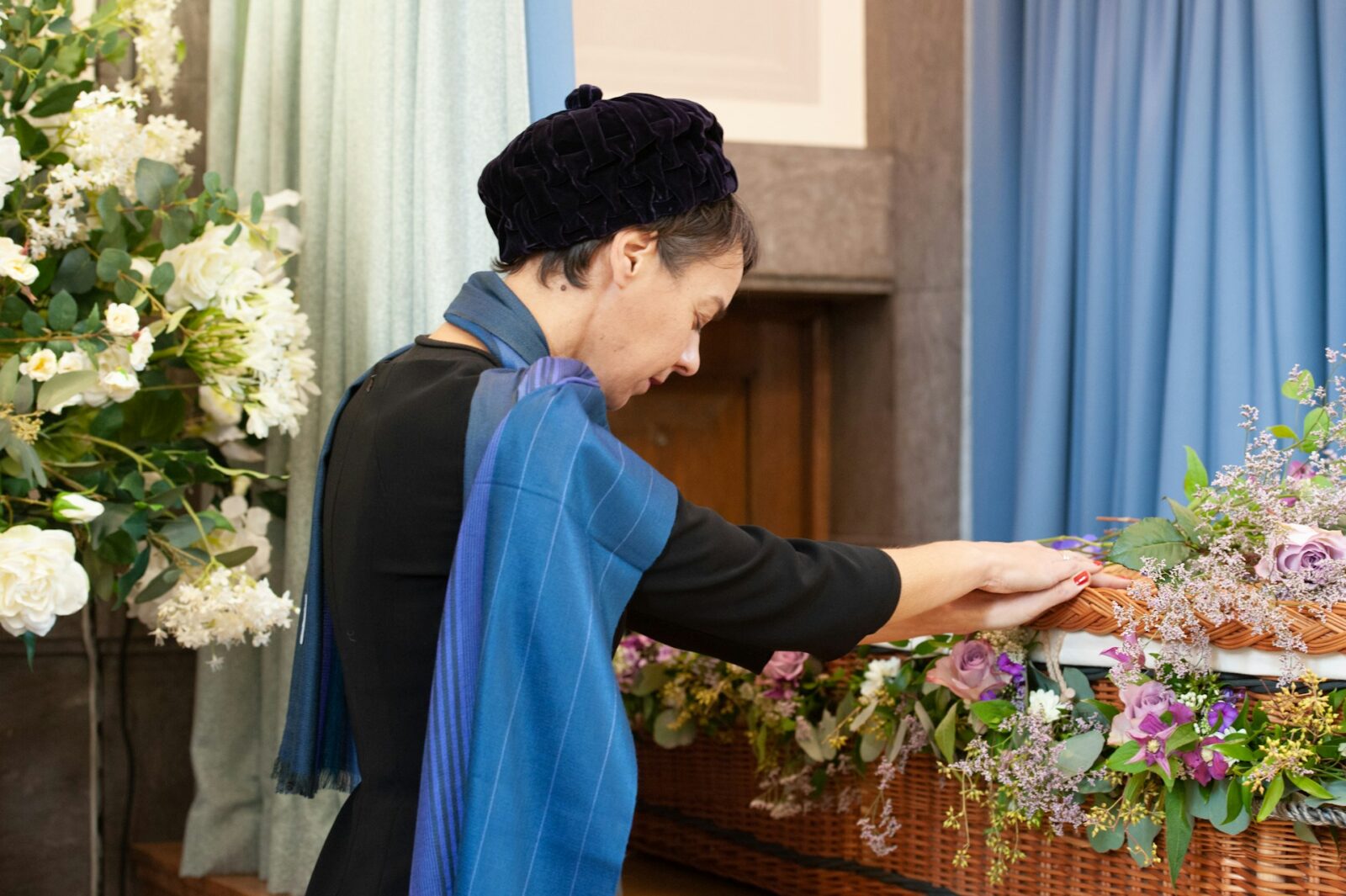
Caring for an urn over the long term is straightforward. A well-sealed urn kept indoors, away from direct heat, damp and direct sunlight, needs little more than an occasional gentle dusting. Cleaning methods differ by material – wood, metal, ceramic, glass and stone each respond best to a particular approach – and the contents remain safe indefinitely as long as the urn stays sealed and undisturbed in a stable position.
An urn is intended to last a lifetime and beyond, and the good news is that keeping one in fine condition asks very little. With a settled position and a light touch when cleaning, an urn will hold its beauty for generations. This guide explains how to care for each material, the small precautions that protect both the urn and its contents, and how to handle an urn safely when it needs to be moved.
General care that suits every urn
Whatever the material, a few habits keep any urn looking its best and protect what it holds.
- Keep the urn on a stable, level surface where it will not be knocked
- Avoid direct sunlight, radiators, fireplaces and damp spots
- Dust gently and regularly with a soft, dry, lint-free cloth
- Handle the urn with clean, dry hands to avoid marks and oils
- Leave the seal undisturbed unless you have a specific reason to open it
For guidance on choosing the right spot in the first place, our guide on where to keep an urn at home covers safe and dignified placement in detail.
Good to know: A sealed urn protects its contents indefinitely. There is no routine reason to open it, and the seal is best left intact unless ashes are to be divided, scattered or interred.
Caring for each material
Each material has its own gentle care routine. Matching your approach to the material keeps the finish in fine condition for years.
Wooden urns
Dust with a soft, dry cloth. For a deeper clean, a barely damp cloth wiped along the grain, followed immediately by drying, is enough – wood should never be left wet or soaked. Keep wooden urns away from radiators and damp, as extremes of temperature and humidity can affect the timber and finish over time. An occasional application of a suitable wood polish or wax can restore lustre, used sparingly.
Metal and brass urns
A soft, dry cloth keeps metal urns gleaming. Brass may develop a natural patina over the years; if you prefer the original shine, a gentle metal or brass polish applied with a soft cloth will restore it. Avoid abrasive cleaners and scouring materials, which can scratch the finish.
Ceramic urns
Dust gently and, if needed, wipe with a soft, slightly damp cloth, then dry. Handle ceramic with particular care, as it is more fragile than wood or metal, and avoid harsh cleaning products that could dull a glaze. A stable, protected position reduces the risk of accidental damage.
Glass urns
A soft, lint-free cloth keeps glass clear and bright. A little glass cleaner on the cloth – never sprayed directly – can remove marks, followed by buffing dry. As with ceramic, handle glass carefully and choose a secure display position away from busy areas.
Stone and marble urns
Dust regularly and clean with a soft, damp cloth, drying afterwards. Stone and marble can be sensitive to acidic substances, so avoid vinegar-based or acidic cleaners; plain water or a cleaner formulated for natural stone is safest. Mindful of their weight, stone urns are best left in one settled position.
If you are still selecting an urn and weighing how each material wears over time, our guide on urn materials compared sets them side by side.
Key takeaway: Match the cleaning method to the material – dry cloths for most, a careful damp wipe where suitable, and no harsh or abrasive products – and any urn will keep its beauty for the long term.
Moving and handling an urn safely
There may be occasions when an urn needs to be moved – rearranging a room, relocating home, or carrying it to an interment. A little care prevents accidents.
- Lift the urn with both hands, supporting it from underneath
- Keep it upright and steady, especially if the seal is not permanent
- For transport, wrap the urn in soft material and pack it snugly in a sturdy container
- Place it where it cannot slide or topple during a journey
If you are travelling further afield, our guide on taking ashes on a plane sets out the documentation and the choice of a travel-friendly urn.
Care over the years and generations
An urn kept indoors in a stable position will need no more than the occasional dusting and, perhaps once or twice a year, a gentle clean suited to its material. Many families pass an urn down through generations, and with this light care it remains a fitting and beautiful tribute for as long as it is treasured. For the wider picture of the options open to you over time, see our complete guide on what to do with cremation ashes, and the full range of urns for ashes if you are choosing a piece to keep.
Key takeaway: Long-term care is gentle and infrequent. A settled position, clean hands, the right cleaning method and an undisturbed seal are all an urn needs to endure with dignity.
Frequently asked questions
How often should I clean an urn?
A light dusting whenever you dust the room is enough, with a gentle clean suited to the material once or twice a year. There is no need to clean an urn frequently.
Do I need to open the urn to care for it?
No. A sealed urn protects its contents indefinitely, and there is no routine reason to open it. The seal is best left intact unless you intend to divide, scatter or inter the ashes.
Can I keep an urn for many years?
Yes. With minimal care, an urn can be kept indefinitely and passed down through generations. There is no time limit on keeping ashes at home.
What should I avoid when cleaning an urn?
Avoid abrasive cleaners, scouring materials and, for stone or marble, acidic products. Never soak a wooden urn, and never spray cleaner directly onto glass or any finish – apply it to the cloth instead.