
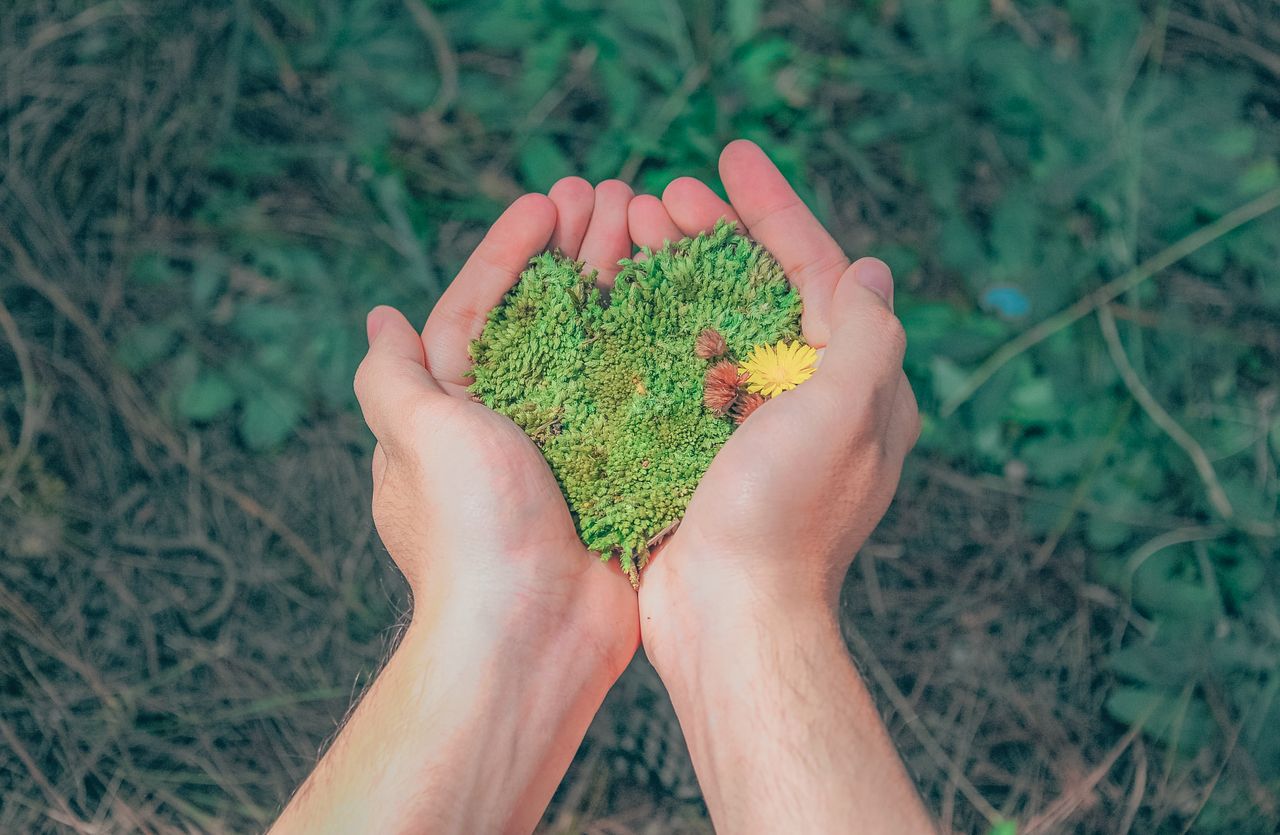
A biodegradable scattering urn is a vessel made from natural, eco-friendly materials – such as plant fibre, paper, salt, sand or rock – that breaks down harmlessly after use. Some are designed to be placed into water, where they float briefly before gently sinking and dissolving; others are scattering tubes that allow ashes to be released smoothly on land or at sea. They suit families who want a dignified, ceremonial release and a choice that is kind to the environment.
When ashes are to be scattered or returned to nature, the urn itself can be part of the farewell. Biodegradable scattering urns are made to be used once, beautifully and gently, then to disappear without leaving a trace. This guide explains the main types, the materials they are made from, how to choose between them, and how to use one with care – so the moment of release is as graceful and meaningful as it deserves to be.
What is a biodegradable scattering urn?
A biodegradable scattering urn is a container designed for a single, ceremonial use, made entirely from materials that return naturally to the earth or water. Unlike a keepsake urn intended for permanent display, a scattering urn is meant to be released – whether placed into the sea, lowered into a burial of ashes, or used to scatter on land – and to break down completely afterwards, leaving nothing behind.
Good to know: Using a fully biodegradable container is not only a considerate environmental choice – it is required if you intend to place an urn into the water, as non-biodegradable materials must never be put into rivers or the sea.
The main types
Scattering urns fall into a few broad types, each suited to a particular kind of farewell.
| Type | How it works | Best suited to |
|---|---|---|
| Water urn | Floats briefly, then gently sinks and dissolves | Scattering or releasing ashes at sea, on a river or lake |
| Scattering tube | A controlled opening for a smooth, dignified release | Scattering on land or from a boat |
| Earth or burial urn | Breaks down in soil over time | Interring ashes in a garden or natural burial ground |
| Living tribute urn | Holds ashes alongside a seed or sapling | Growing a memorial tree or plant from the ashes |
Water urns
Water urns are designed for a sea or river farewell. Placed on the surface, the urn floats for a short, reflective time before sinking gracefully and dissolving. This allows the family a quiet moment to watch as the urn drifts away, making the release feel gentle and unhurried.
Scattering tubes
A scattering tube has a simple, controlled opening that makes releasing ashes smooth and manageable, avoiding spills or sudden gusts. It is a practical, dignified choice for scattering on a hillside, in a garden, or from a boat.
Earth and living tribute urns
Some biodegradable urns are made to be buried, breaking down in the soil over time. Living tribute urns go a step further, holding the ashes together with a seed or young tree, so that a memorial plant grows from the spot – a comforting symbol of continuing life.
Materials they are made from
Biodegradable urns are crafted from a range of natural materials, each chosen for how cleanly and gently it breaks down.
- Plant fibre and recycled paper – light, gentle and quick to dissolve
- Rock salt – dissolves smoothly in water, ideal for sea scatterings
- Sand and natural clay – sturdy yet fully biodegradable
- Cellulose and natural starches – moulded into elegant, refined forms
- Untreated wood and bamboo – suited to earth burial
Many of these urns are finished beautifully, with space for petals, a personal note or a small token, so that the vessel honours your loved one as well as the moment.
Key takeaway: The material should match the farewell – salt, paper or fibre for water; wood, clay or sand for earth – so that the urn breaks down naturally in its intended setting.
How to choose the right one
A few simple questions point you to the right urn.
- Will the ashes be released on water, scattered on land, or buried?
- Do you want the urn to float and be watched, or simply to release the ashes?
- Would a living tribute, growing a tree from the ashes, bring comfort?
- What size do you need – the full ashes, or a divided portion?
For a sea or river farewell, a floating water urn or a salt urn is ideal. For scattering on a hillside or in a garden, a scattering tube is the most practical. For burial, an earth or living tribute urn is the natural choice. Our biodegradable scattering urns range includes options for each, and if you are dividing ashes between locations, our smaller keepsake and mini urns may also be of help.
Using a scattering urn with care
A little preparation ensures the release is smooth and serene on the day.
- Read the maker’s guidance, as floating and dissolving times vary
- For water, choose a calm day and a quiet, suitable location
- Have the urn ready and check the opening before the ceremony
- Release with the wind behind you, close to the surface or ground
- Consider biodegradable petals to scatter alongside the ashes
For the wider rules on where you may release ashes, see our guides on where you can scatter ashes in the UK and scattering ashes at sea. For the ceremony itself, spreading ashes: ceremony ideas offers inspiration for making the day your own.
Key takeaway: A biodegradable scattering urn lets you honour both your loved one and the natural world. Matched to the setting and used with a little care, it makes the moment of release graceful and complete.
Frequently asked questions
What is a biodegradable scattering urn made of?
They are made from natural materials such as plant fibre, recycled paper, rock salt, sand, clay or untreated wood, all chosen to break down harmlessly in water or soil.
Do biodegradable urns float?
Water urns are designed to float briefly before gently sinking and dissolving, giving the family a reflective moment. Earth and scattering urns are not intended to float.
Are biodegradable urns required for scattering at sea?
If you place an urn into the water, it must be fully biodegradable – non-biodegradable containers must never enter rivers or the sea. Scattering ashes loose is also permitted.
Can you grow a tree from a biodegradable urn?
Yes. Living tribute urns hold ashes alongside a seed or sapling, so a memorial tree or plant grows from the spot – a comforting symbol of continuing life.