
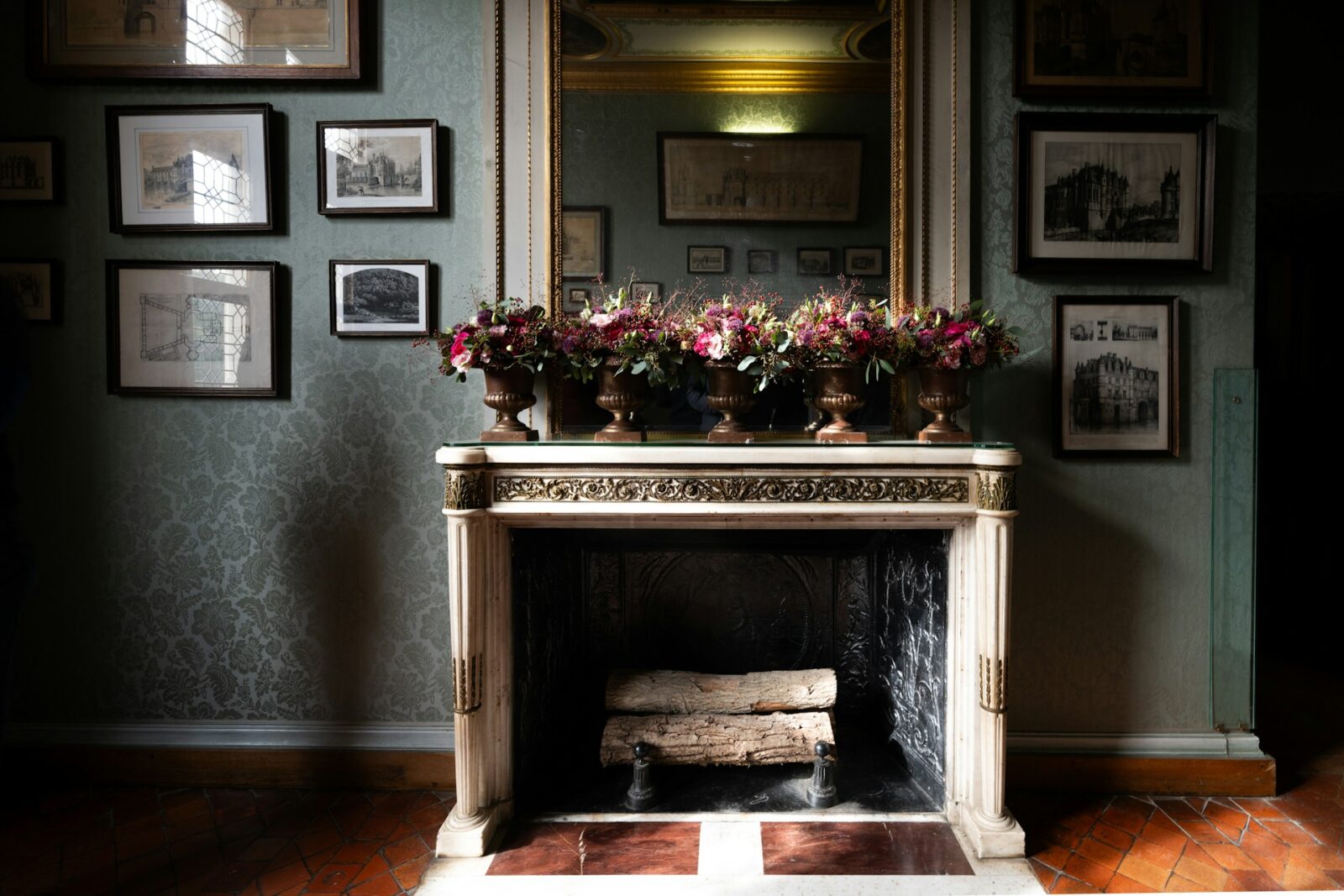
There is no rule about where an urn must be kept at home, and no time limit on keeping it. Most families choose a calm, stable spot that feels meaningful – a mantelpiece, a dedicated shelf, a display cabinet, or a quiet corner set aside for remembrance. The main practical points are simple: choose a secure, level surface away from busy thoroughfares and direct heat, and place the urn where it can be seen and visited with comfort rather than disturbed.
Bringing a loved one’s ashes home raises a gentle question: where should the urn rest? There is no single right answer, and the choice is as personal as the urn itself. Some families want their loved one at the heart of daily life; others prefer a quiet, set-apart space for reflection. This guide offers practical ideas for displaying an urn with dignity, the few precautions worth taking, and ways to create a small place of remembrance that brings comfort over the years.
Where families usually keep an urn
The most fitting place is the one that feels right to you. That said, a few locations recur because they balance visibility, dignity and practicality.
- A mantelpiece – a traditional, central spot, often paired with photographs
- A dedicated shelf or alcove set aside for remembrance
- A display cabinet, where the urn is protected behind glass
- A sideboard or console table in a quiet, less-trafficked room
- A bedroom shelf, for a more private and personal presence
The choice of room matters too. A living room keeps a loved one part of family life, while a study, bedroom or hallway nook offers a more reflective setting. There is no wrong decision – only what brings you peace.
Good to know: If you are still deciding on a permanent display, there is nothing to stop you keeping the urn safely tucked away until the right place becomes clear. The decision can take as long as it needs.
Practical points for placing an urn safely
An urn deserves a position that protects it as well as honours it. A handful of simple precautions will keep it secure for years to come.
Choose a stable, level surface
Place the urn on a solid, level surface where it cannot easily be knocked. Avoid narrow ledges, the edges of shelves, or surfaces near doorways and walkways. For heavier urns in stone or metal, make sure the surface can comfortably bear the weight.
Keep it away from heat and damp
Direct sunlight, radiators, fireplaces and humid spots are best avoided. Strong heat can affect certain finishes over time, and a stable, room-temperature position helps preserve the urn’s appearance – particularly for wood and ceramic.
Consider households with children or pets
In a busy home, a higher shelf, an alcove or a glass-fronted cabinet keeps the urn out of reach and safe from accidental knocks. This is especially worth considering for more fragile materials such as ceramic or glass.
Key takeaway: A level, stable surface, away from heat and out of harm’s way, is all an urn needs to rest safely and beautifully for the long term.
Creating a place of remembrance
Many families like to make a small memorial setting around the urn rather than display it alone. A thoughtfully arranged space can become a gentle focus for reflection and for marking anniversaries and special days.
- A framed photograph or two, capturing a happy memory
- A candle or tea light, lit on anniversaries and quiet evenings
- Fresh or dried flowers, or a small living plant
- A meaningful object – a book, a piece of jewellery, a keepsake
- A short engraved plaque or a line of verse beside the urn
The arrangement need not be elaborate. Even a single photograph and a candle alongside the urn can transform a shelf into a place of comfort. Over time, families often find this small ritual of tending the space becomes a meaningful part of remembrance.
Matching the urn to its setting
Where you intend to keep the urn can also guide the choice of urn itself. A piece that suits an open mantelpiece may differ from one chosen for a cabinet or a private shelf.
| Display setting | Well suited to |
|---|---|
| Open mantelpiece or shelf | A handsome, robust urn in wood, metal or stone |
| Glass-fronted cabinet | More delicate ceramic or glass pieces, kept protected |
| Private bedroom shelf | A smaller or more personal urn, perhaps personalised |
| Shared family display | A main urn, with mini urns for other relatives |
If you are still selecting an urn, our guides on how to choose a cremation urn and urn materials compared walk through the options, while what size urn you need helps you match capacity correctly. You can also browse the full range of urns for ashes to find one that suits your chosen setting.
Keeping ashes at home for the long term
An urn kept indoors, away from damp and extremes of temperature, needs very little attention. An occasional gentle dusting keeps it looking its best, and a well-sealed urn protects the contents indefinitely. There is no need to do anything further unless and until you decide on another path – and many families keep ashes at home permanently. For wider guidance on the options open to you, see our complete guide on what to do with cremation ashes.
Key takeaway: Keeping an urn at home asks little of you – a settled, safe spot and an occasional dusting. The space you create around it matters far more than any upkeep.
Frequently asked questions
Is there a rule about where to keep an urn at home?
No. There is no law or rule governing where an urn must be kept, and no limit on how long you may keep it. The choice of place is entirely yours.
Where is the safest place to display an urn?
A stable, level surface away from heat, damp and walkways is ideal. In homes with children or pets, a higher shelf or a glass-fronted cabinet keeps the urn secure.
Can I keep an urn in the bedroom?
Yes. A bedroom shelf is a popular choice for a more private, personal presence, and there is nothing to prevent it.
Does an urn need any maintenance?
Very little. An occasional gentle dusting and a stable, room-temperature position are all that is needed to keep an urn looking its best for years.